

Don’t waste your change
How starting high school can create a ‘maturity moment’
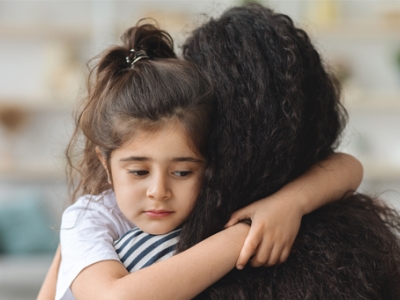
I cried myself to sleep on the last night of Year 6. Picture a small, blonde ballerina with balled fists and red eyes pleading to her pillow ‘I don’t want to grow up’. I was a well-adjusted kid, so the intensity of that moment had always surprised me. But then I found my daughter in the same position on the corresponding night in her own life, and I began to appreciate the complex ‘change moment’ that graduating primary school is.
High school is many things. It’s a new and more complex system, with endless opportunities to misread your timetable, walk into the wrong toilets or forget your PE clothes. It also offers new liberties with higher stakes; it’s a chance for re-invention, it’s the quest for autonomy, it’s your time to shine … or get stuck with a bad nickname on day one. There is something excitingly risky about the whole experience. But it is possible that you and your teen-to-be are feeling the beginnings of transition angst and that one of you will find yourself in the metaphorical foetal position any day now.
Like all changes in life, this transition brings some discomfort, which any self-respecting pre-teen will want to avoid. But it also brings an opportunity. When something substantial in our life shifts, we respond by trying to re-establish stability. As we do, we can better notice what we are clinging to or questing for to provide a safe and stable base. It’s like a low-tide moment at the beach when we can see the rocks more clearly. It helps us to consider what we know of God, to better apply it to those hard-to-see parts of our heart and mind, and to walk in God’s ways more fully with his help. ‘Change moments’ can become ‘maturity moments’. And this one is not just for your child: your whole household is shifting, parents included. So let’s seize it by the bag-straps. Here are some things that might help.
Discover your own loves and bring them to God.
I hate roller-coasters, but waiting in the line is perhaps the most intolerable part. There’s plenty to occupy you as you wait in the proverbial queue before your child starts high school. Here are some things you might want to meditate on. You will need to navigate a completely new correspondence app. It is designed to create a perpetual feeling that you have missed the swimming carnival (been there) or sent your kids to school thinking it’s pyjama day (done that). But more importantly, while you queue, it’s your chance to consider all of those questions about your child’s survival: How will they go? Will they excel academically? Will their needs be noticed in such a big system? Will they lose in the proverbial playground lucky-dip and make terrible friends? There won’t be answers right now. The roller-coaster will be boarding soon. Just wait here with your child’s future on the line.
Here is where the veil of our hearts gets parted and we can glimpse some of the more hidden parts of ourselves. We worry about what we love. That is, what we ponder about our child’s future shows what we think is important—our treasures, values and desires. We might notice we have ambitions for our child that are good and natural; we seek their safety, a good education, kind friends, growth in resilience and responsibility. But on closer inspection, some of these ambitions might harbour idols: academic excellence, sporting glory, popularity, an easy road through life. Once we see and name these desires, we can let God’s word teach, correct, rebuke and train us. Do these ambitions help my child see and trust God, love his ways, put off sin or grow in character? Am I valuing what God values, or does he have a better vision for my child that I can also embrace?
One night this week, why not take some time to consider and write down the flood of worried thoughts and questions regarding your child’s transition to Year 7. Next to them, write the value that is driving that fear. Then bring your discovered values to God. Don’t only tell him what you’re fearing but confess what you are loving. Think and pray about what God wants for your child. And pray that you would want that for them too.
*Promotion for ‘An Arrival to Celebrate’ here
Coach your child through change.
If waiting in the queue for a roller-coaster is the worst, then feeling the lurch and rush of it leaving the solid, safe and stationary base is the also-worst. The change to high school has a way of unsettling kids. They are just starting to get the hang of life; they’ve clocked up a few growth spurts, they’re taller than the little kids now, their teachers speak to them with a different kind of familiarity and respect. They’re winning at life. Then, at about the time the graduation T-shirts arrive, a troubling thought takes root: growing up means leaving all of this. Change starts with a loss before there is a gain. It begins with a feeling that you are losing your solid, safe, stationary platform and descending into freefall. Processing this with a parent’s steady presence can help our kids have their own ‘maturity moment’.
You can process change in the following three stages.
Acknowledge the loss
Rushing past the being-sad-bit is not a good move. They will keep looking back in sadness, keep it secret, and carry it for longer than is healthy. A better way is to start by looking back together, sharing the sadness and then giving thanks. The sense of loss shows that something good has happened—something God gave them. Ask what they loved about primary school. Bring out the school photos. Reflect on the challenges and the wins. And give thanks, reminding them that God has been there and given all of these things.
Challenge untrue thoughts
When we are threatened with a shift, it’s natural to fall into too-rigid thinking or extreme statements about a situation. It’s possible your child will express some big statements that ‘everything will be different’ or they ‘won’t know anything’. There will be a grain of truth hidden in the expression, but it has lost its nuance. Dismissing the statement outright will miss the grain of truth that they are trying to express. Instead, help them tease the ball of worry apart just a little to pull out the un-true threads and make room for hope. You can start by saying their thoughts back to them exactly as they have said it to you. This does two things: it shows them you have heard them and heard just how strongly they are feeling things; and it also holds their thoughts up as a mirror so they can examine them a little more and bring in some nuance. It might go like this:
‘Everything will be different’
‘Yeah. Everything will be different. Well … everything? What specifically?’
‘The timetable. Teachers. Friends (well, except Tom). Everything.’
‘The timetable, teachers, most friends. They will be different.’
In this conversation, you’ve captured what they’re feeling, but helped make room for some new thoughts to apply.
Think about what won’t change
One mark of a mature Christian is that they don’t bypass the hard stuff of life. Instead, when they meet a moment of unsteadiness, they pause and ask one simple question: ‘What do I know about God?’. The psalmists model this kind of internal dialogue. When faced with something threatening or distressing, they first acknowledge and name what is troubling them, then turn their thoughts to what they know of God. We see this in Psalm 77, where the writer wrestles with some of the most confronting questions imaginable: ‘Will the Lord reject forever? Will he never show his favour again?’ (v 7). He then directs his focus, saying, ‘I will consider all your works and meditate on all your mighty deeds’ (v 12).
The Bible teaches us to know God and to understand how he acts towards us. This knowledge gives us something to steady us when the roller-coaster of change pulls away from the platform. Ask them what they know about God and how he acts towards them. You can ask the question in two ways to help them discover his unchanging nature themselves: What do you know about God and how he has helped you in Year 6? What will God be like towards you in Year 7?
As I scrambled some thoughts together to soothe my distressed daughter on the night of her last day of primary school, I recognised that this was the biggest change she had faced in her living memory. Starting school was a fog for her little five-year-old memory. But the memories of Years 6 and 7 are for keeps. It’s often the first time the roller-coaster really feels like it’s leaving the platform. Don’t waste your change. As you wait and watch on, take the opportunity to notice what you are reaching for to bring stability to your household. Together, take time to look back, be sad, give thanks, and let what you know about your good Father give you and your child a safe stable platform, now and forever.
More from Dr Sarah Allen
Listen to our conversation with Sarah on the Timeless Parenting podcast: ‘Bringing our children’s anxiety to God'.
Take a look at Sarah's book for children aged 8–12 to read with their parents:
*Small promo for ‘Scary Stuff’ here
---
Dr Sarah Allen is a GP with a Diploma in Theology and a special interest in helping people deal with anxiety. She finds roller-coasters and thinking about her children’s future scary, but she knows God and the difference he makes. Sarah is the author of Scary Stuff.
For more articles from Growing Faith, subscribe to our monthly e-newsletter.
To hear about the latest books and resources from Youthworks Media, subscribe here.
Related Posts: